

The rapid rise of technology has been making it increasingly necessary for us to communicate technical information to audiences without a technical background. Whether you’re preparing user guides, product updates, or marketing materials, your goal is to clearly explain the complex concepts so that readers, regardless of their technical knowledge, can grasp the main ideas and their relevance.
Know Your Audience
Effective communication begins with understanding who you’re speaking to. Non-tech audiences may include business stakeholders, customers, or end users, and they're often trying to understand the relevance and practical implications rather than the theoretical concepts. You should take time to identify their expectations, knowledge level, and interests before preparing your message.
Break Down Complex Concepts
To make complex ideas more accessible, consider breaking down concepts into smaller, manageable chunks of information. For example, in software documentation, it is beneficial to start by giving an overview of what a feature does before detailing the specific steps or interface elements involved. By first explaining the overall purpose and functionality, you provide readers with context, making it easier for them to understand why they might use the feature and how it fits into their workflow. Once the big picture is clear, you can walk through the step-by-step instructions or highlight the specific buttons and options users need to interact with. This approach ensures that users are not overwhelmed by details and helps them see the value of the feature before diving into the technical steps.
Clarify Without Oversimplifying
It’s easy to fall into the trap of oversimplifying, but then you risk leaving out important details. You may find it helpful to use analogies and metaphors that are relatable to your audience. By using everyday connections, you can make the ideas easier to grasp without losing their essence.
Avoid Jargon and Acronyms
Choose plain language over jargon wherever possible, as technical language can make some members of your audience feel left out. If you need to introduce specialized terms, explain them or use examples to help clarify the terms. The goal is to share useful information in a way that everyone can understand.
Use Visuals to Enhance Understanding
We can often explain ideas better with visuals.
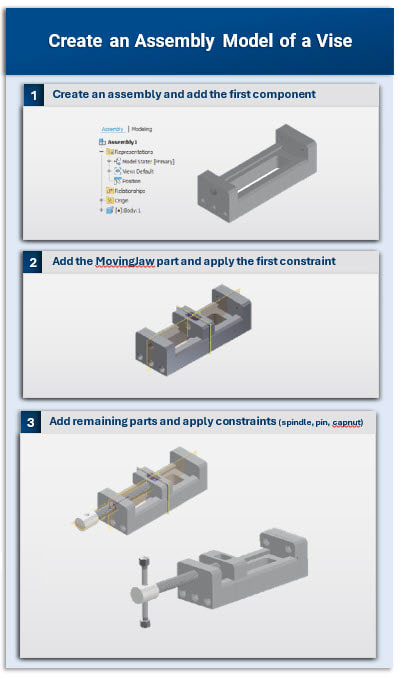
Diagrams, flowcharts, and infographics help in transforming abstract concepts into practical illustrations you can see and relate to. If you’re explaining how a software feature or a process works, consider using screenshots. You can even use videos or interactive demos, especially if you are working with multimedia formats. These tools provide context and make instructions easier to follow.
Tell a Story
Stories can make technology feel more relatable. When you use real-life examples or share case studies, you help people see how complex ideas connect to everyday life. An effective narrative establishes a meaningful connection with your audience and makes your message much more memorable.
Encourage Questions and Feedback
As a content publisher, we have found technical content to be most effective when it’s shaped by how users engage with our learning material.
When presenting the content, you can maintain a user-friendly environment by inviting questions and encouraging open dialogue. Collecting this input will help you identify areas where users need additional support. By addressing these aspects and improving your content, you can build user-trust and demonstrate that their feedback is valued.
Refine and Improve
Your content development approach will get better as you enhance it by implementing constructive feedback. After each communication effort, review what worked well and what could be even clearer. By listening to your audience and refining your methods, you’ll make your message more effective and ensure non-tech readers feel empowered to engage with new ideas.
In practice, bridging the gap between technical complexity and common understanding may be challenging at times. However, by using creative and engaging ways to present information, you can turn even the most daunting technical topics into accessible knowledge for everyone.
At ASCENT, this philosophy is at the core of how our learning content is developed. By focusing on user requirements and refining our content based on user feedback, ASCENT creates learning materials that not only explain complex concepts but also are practical, relevant, and easy for users to apply.
About the Author
Follow on Linkedin More Content by Surya Nair


